
public

github followers grid
this makes an svg grid of your public github followers that you can put in a readme. you can change the number of columns, the grid's width, and how many followers it shows.
you can make your grid at gfg.ryanaque.com.
run locally
you'll need node 22 or newer. start the local server with:
npm run dev
open localhost:3000 to adjust the grid and copy its markdown. the server uses port 3000 and listens on 127.0.0.1 by default. you can change these by setting PORT and HOST in .env.
you can run the tests with npm test.
embed
add this to your readme and replace octocat with your github username:
[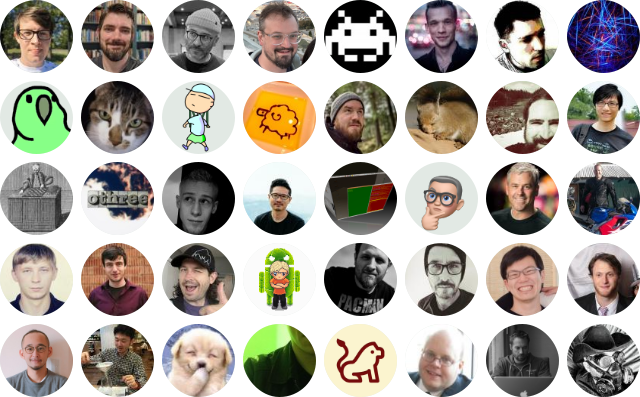](https://github.com/octocat?tab=followers)
if you'd prefer a static image, download the svg from the site and commit it alongside your readme. you can then embed it with . the file won't update automatically, so download it again when you want to refresh the grid.
options
you can adjust the grid through these url parameters:
| param | default | range |
|---|---|---|
username |
required | github username |
cols |
8 |
1–20 |
width |
640 |
160–1600 px |
limit |
40 |
1–200 |
gap |
8 |
0–32 px |
shape |
circle |
circle, rounded, square |
each avatar needs at least 16px of space. its size is calculated as (width - gap × (cols - 1)) / cols, so you may need to increase the width or reduce the columns or gap. the grid keeps your chosen number of columns even if the last row isn't full.
avatars are fetched at 96px, so they may look soft if you make them much larger.
updates
followers appear in the order returned by github. the app caches follower pages for one hour and avatar images for 24 hours. github's image proxy may keep an older image for longer, so changes might not appear right away.
the app doesn't use a github token, so it shares github's limit of 60 api requests per hour per server ip. each uncached page uses one request, while changing the layout reuses pages that are already cached.
license
this project is licensed under mit.